Protein Therapeutics
Resolving size distribution, aggregation state, and stability of biopharmaceuticals using AF4 hyphenated with mass spectrometry and multi-angle light scattering — under conditions that preserve native structure.
Learn more
The Dutch FFF Facility & Expertise Hub is a core analytical platform providing access to expertise, instrumentation, and multi-detection workflows based on Field-Flow Fractionation for the analysis of complex macromolecular, colloidal, and particulate systems.
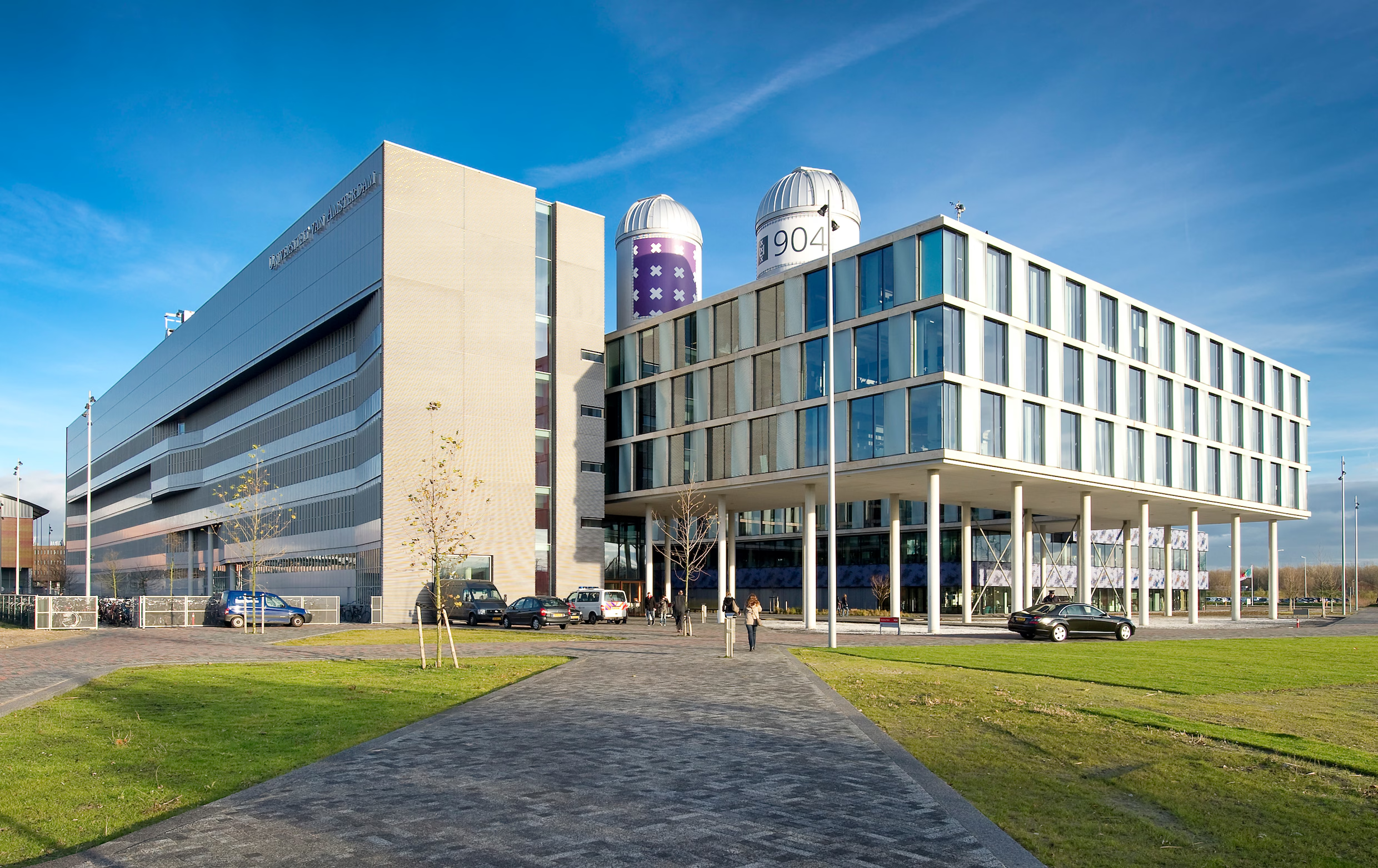
The Dutch FFF Facility & Expertise Hub brings together complementary expertise in FFF-based multidetection workflows from two Dutch universities. The University of Amsterdam, through the HIMS Analytical Chemistry group, contributes decades of experience in the fundamental and experimental development of field-flow fractionation, including recent advances in FFF coupled with mass spectrometry for biopharmaceuticals, colloidal systems and nanoplastics in food and environmental matrices. The group also provides FFF education and practical training within the UvA–VU MSc Chemistry, Analytical Sciences track and through the international Young Scientists for Field-Flow Fractionation platform.
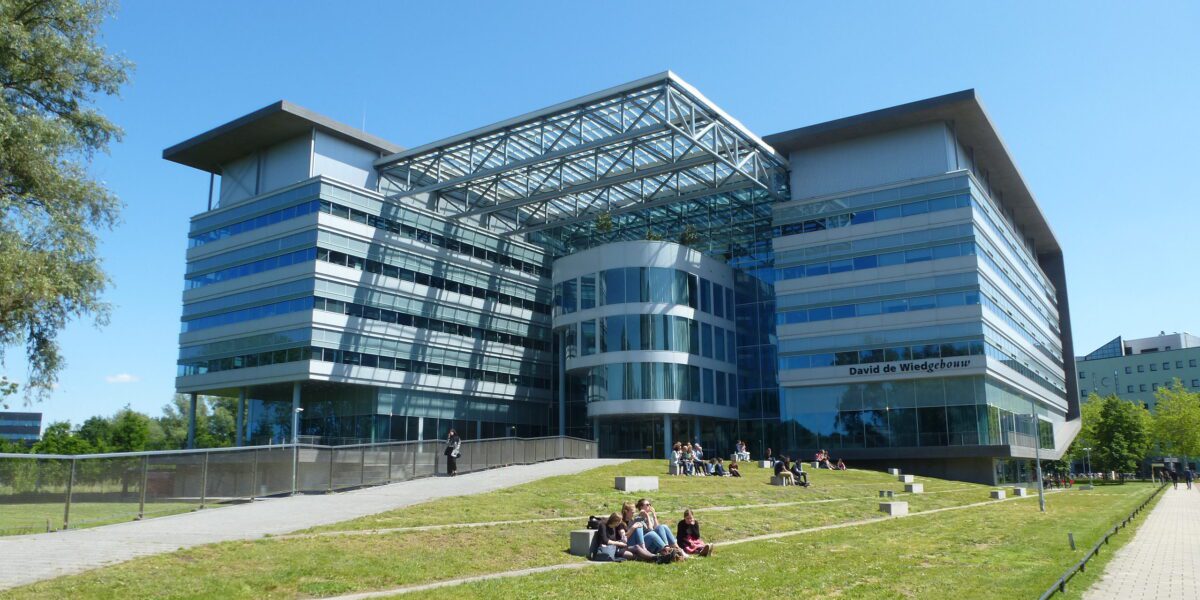
Utrecht University (Division of Pharmaceutics) contributes strong expertise in the design and characterisation of drug delivery nanoparticles — including micelles, lipid nanoparticles, and protein-based systems — using AF4–MALS to resolve size, aggregation, and stability. Besides nanoparticle analysis, FFF is a powerful tool to investigate drug (re)distribution and release in complex biological media. Together, the hub supports method development, optimisation, troubleshooting, data interpretation, proof-of-concept studies, and collaborative research across academia and industry.
"Modern analytical questions increasingly focus on complex assemblies rather than individual molecules. Our mission is to connect expertise, infrastructure, academia and industry — accelerating innovation, education and best practice in FFF." — Mission, Dutch FFF Facility & Expertise Hub
By separating fragile systems in an open channel without a stationary phase, field-flow fractionation (FFF) — including asymmetric flow FFF (AF4) — preserves native structure and interactions, connecting size, molar mass, composition, and structure in one workflow.
Resolving size distribution, aggregation state, and stability of biopharmaceuticals using AF4 hyphenated with mass spectrometry and multi-angle light scattering — under conditions that preserve native structure.
Learn moreCharacterising lipid nanoparticles, micelles, and protein-based delivery systems with AF4–MALS — quantifying size, aggregation, and stability for the design and development of next-generation therapeutics.
Learn moreProbing complex assemblies in food matrices and supramolecular architectures — tracing how composition, interactions, and population distributions shape function and stability.
Learn moreDetecting and characterising nanoplastics and environmental particulates in food and environmental matrices — supporting risk assessment, regulation, and the methodological frontier of trace analysis.
Learn moreDr. Alina Astefanei is Assistant Professor in Analytical Chemistry at the Van 't Hoff Institute for Molecular Sciences, University of Amsterdam. Her research focuses on field-flow fractionation coupled with light scattering, multidetection and mass spectrometry to characterise complex, heterogeneous systems, including biomacromolecular assemblies, colloidal particles, nanocarriers and nanoplastics. Her work also includes CFD studies of AF4 channels to better understand how flow behaviour, membrane properties, channel geometry and operating conditions influence retention, recovery and resolution.
A central question guides her research: are we measuring the system as it exists, or what the analytical method has created? This is especially important for fragile, dynamic and heterogeneous samples, which must be studied as distinct populations rather than reduced to an average, while preserving their integrity as far as possible. Through interdisciplinary consortia and collaboration with the Computational Chemistry group at HIMS, she develops integrated workflows that connect size with molar mass, structure, composition and chemical identity to study interactions, aggregation, denaturation and stability. She also leads FFF teaching and practical training within the UvA–VU MSc Chemistry, Analytical Sciences track and contributes to international training through the Young Scientists for Field-Flow Fractionation platform.
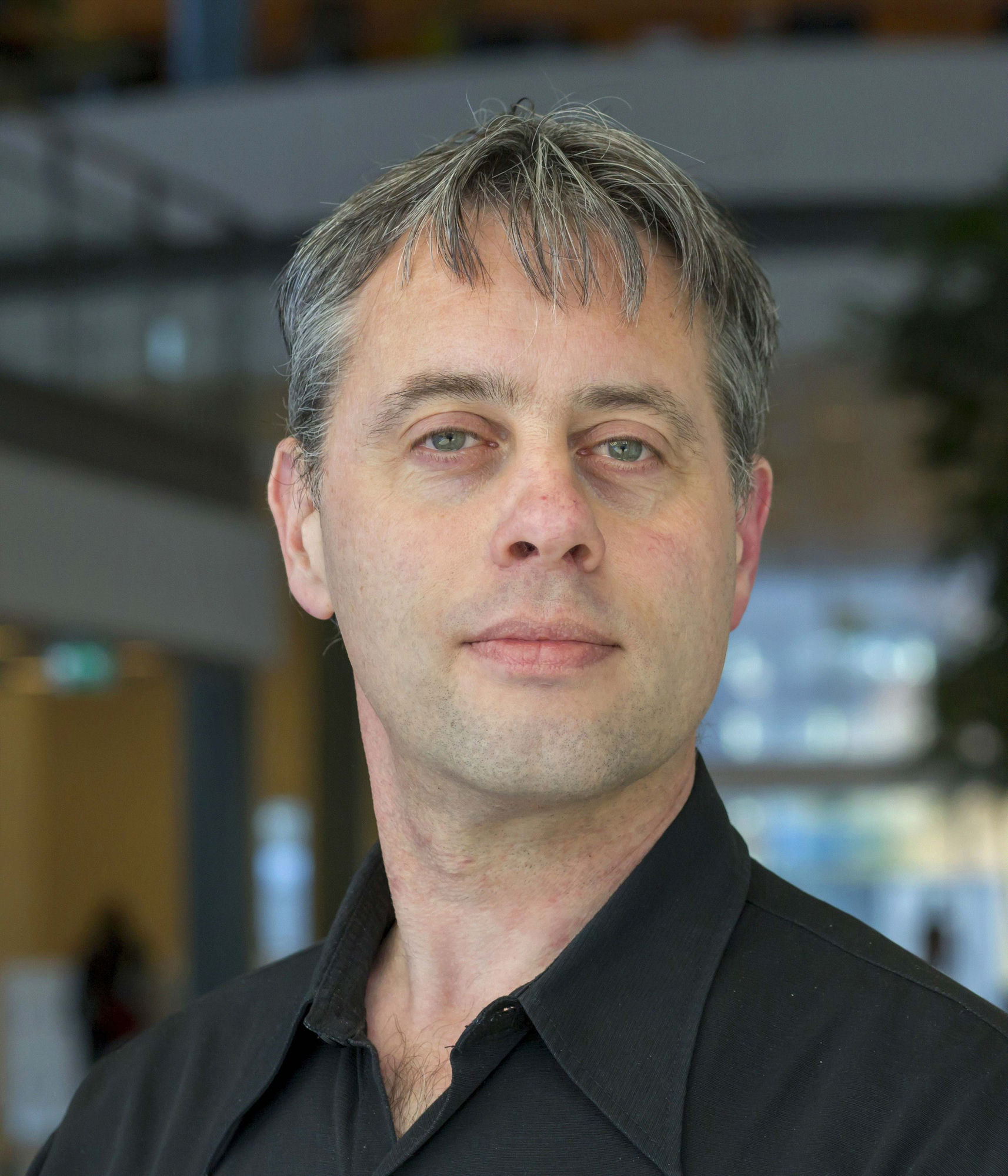
Dr. Cornelus (René) van Nostrum is associate professor in nanoparticles engineering for drug delivery in the Department of Pharmaceutics at Utrecht University. His research activities include the design, synthesis and characterization of polymers for hydrogels, micelles, microspheres and nanoparticles, and their application as drug delivery devices and as absorbents for toxins. Van Nostrum also works on antibubbles, a new type of drug delivery system that shows an unprecedented sharp, triggered release. Asymmetric Flow Field Flow Fractionation is one of the advanced tools he uses to study the stability and controlled release of engineered nanoparticles in vitro in relevant biological media, aiming for the best prediction of their in vivo behavior.
He obtained his M.Sc. in Chemistry in 1990 and his Ph.D. in 1995 in the group of Prof. Dr. R.J.M. Nolte, both at the University of Nijmegen. From August 1995 he worked as a postdoctoral fellow at Philips Research Laboratories in Eindhoven, and in 1997 became assistant professor at the Department of Polymer Chemistry and Coating Technology of Eindhoven University of Technology, working on polymer synthesis for coating applications. In October 1999 he joined the Department of Pharmaceutics at Utrecht University as assistant professor, and was promoted to associate professor in October 2004.
Particle characterization — including micelles, lipid nanoparticles, worm-like particles, and proteins — to determine size, aggregation number, shape factor, and drug loading.
Broad applications of FFF, with particular focus on drug delivery systems and material characterization.

Althea Carstens recently joined the Van 't Hoff Institute for Molecular Sciences (HIMS) at the University of Amsterdam as a postdoctoral researcher. She obtained her PhD in Polymer Science from Stellenbosch University and completed part of her research at the Leibniz Institute for Polymer Research Dresden (IPF). During this time, she synthesised bio-derived statistical copolymers and developed multidetector asymmetrical flow field-flow fractionation (AF4) methods to investigate their self-assembly.
By integrating AF4 with complementary characterisation techniques, her research demonstrated how subtle changes in copolymer composition drive morphological evolution from near-spherical particles to increasingly anisotropic nanobowl structures, providing new insight into their assembly mechanisms. She is now extending these multidetector approaches to casein phosphopeptide nanocarriers, investigating how multivalent mineral ions influence their assembly, stability, and structure.
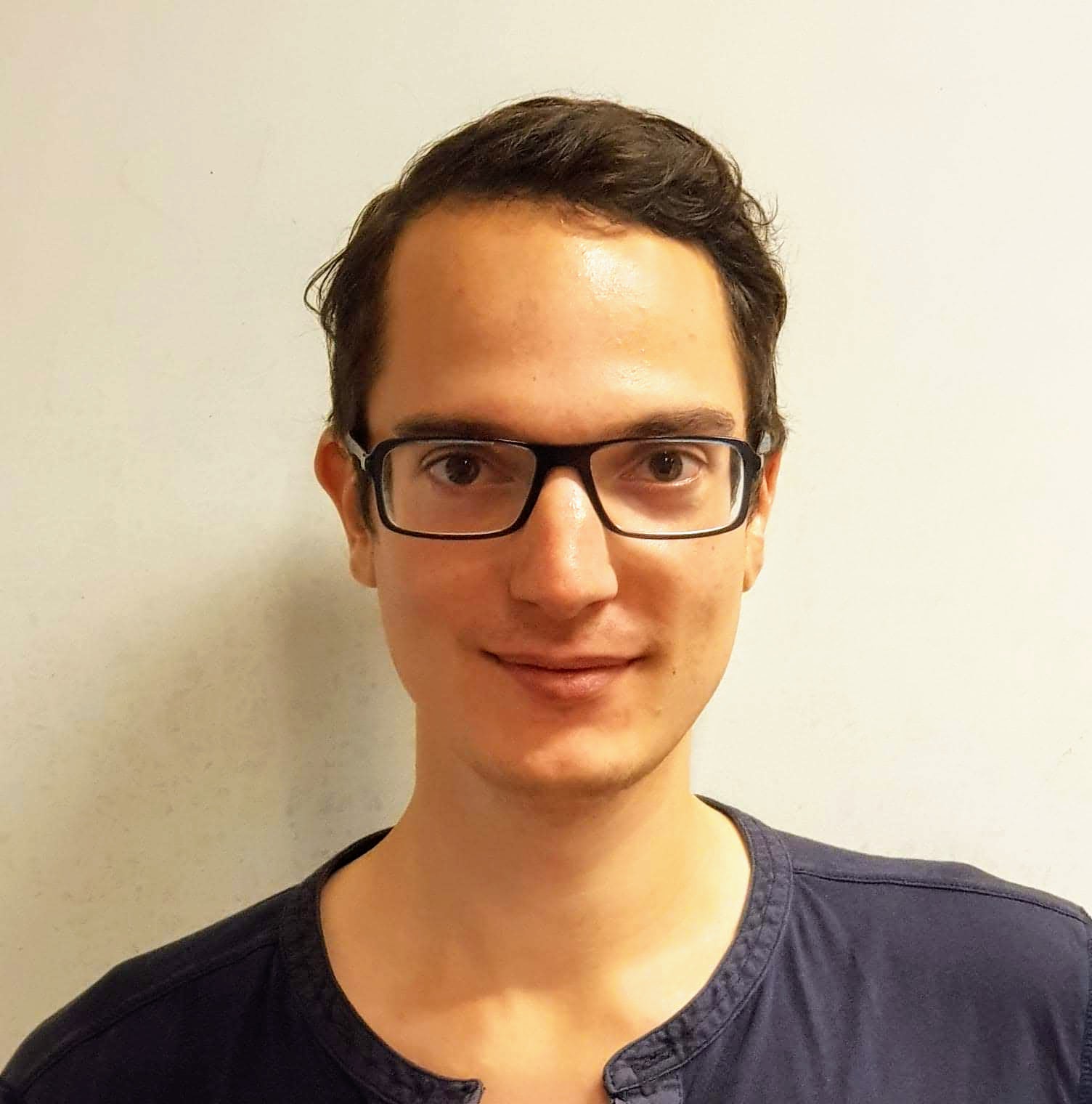
Pascal Camoiras González is an analytical chemist at the Analytical Chemistry Group of the Van 't Hoff Institute for Molecular Sciences (HIMS), University of Amsterdam. He holds an MSc in Environmental Forensics from Örebro University (Sweden) and a BSc in Chemistry from HZ University of Applied Sciences (the Netherlands), with a strong foundation in advanced analytical methods and instrumentation.
Since joining HIMS in 2019, Pascal has been responsible for the operation and maintenance of complex analytical instrumentation, including Field-Flow Fractionation (FFF) and 2D UPLC, ensuring these systems run at optimal performance for research purposes. Alongside instrument management, he supports BSc and MSc students throughout their research projects — from method development to data interpretation.
With a background spanning environmental analysis, food safety, and complex sample preparation, he brings broad hands-on expertise to the lab and helps preserve practical knowledge around these platforms.
We aim to make field-flow fractionation more accessible by combining theoretical understanding with practical experience, helping students and researchers select, develop and critically evaluate FFF methods.
FFF is taught within the UvA–VU MSc Chemistry, Analytical Sciences track, where students learn the principles of the technique, method development and data interpretation, supported by practical training.
We also contribute to international education and knowledge exchange through the Young Scientists for Field-Flow Fractionation (YS-FFF) platform, including educational resources, webinars, workshops and activities connecting early-career scientists with the wider FFF community.
The Hub supports research projects and internships for students at different stages of their education, including:
Projects may involve FFF method development, multidetector coupling, particle and macromolecule characterisation, data analysis, instrumentation or applications in areas such as biomolecular research, food science, pharmaceuticals and environmental analysis.

The Dutch FFF Facility & Expertise Hub is a national field-flow fractionation (FFF) resource in the Netherlands, supporting academic and industrial partners with FFF-MALS multi-detection workflows — from analytical strategy and method development to data interpretation and collaborative research.
Expert support for designing, optimizing, and troubleshooting FFF methods across Postnova and Wyatt/Waters systems, with attention to sample integrity, separation conditions, detector configuration, and data quality.
Feasibility studies to assess whether FFF-based workflows can address specific analytical questions, including sample suitability, separation behaviour, detector response, and achievable information depth.
Support with the interpretation of multi-detector FFF datasets, including size distributions, molar mass, aggregation, heterogeneity, recovery, and compositional information.
Joint academic, industrial, and public–private research projects using FFF as an enabling analytical platform for complex systems.
Focused workshops and knowledge-sharing sessions for researchers and technical users working with FFF and flow-based separations.
We teach the principles and practical application of FFF within the UvA–VU MSc Chemistry, Analytical Sciences track, and internationally through the Young Scientists FFF platform (see fffseparation.net).
For enquiries, please contact us via the contact form.
Tell us about your current FFF use, bottlenecks, and interest in a national support platform / expertise hub. Your responses help shape what the hub builds next. Estimated time: 2–3 minutes.
For collaboration, access to the facility, or analytical support, please get in touch. We welcome enquiries from academic groups, industrial partners, and prospective students alike.